martedì 10 maggio 2011

Antologia di Spoon River, E.L. Masters, a cura di F.Pivano, Einaudi Tascabili

George Gray

Molte volte ho studiato
la lapide che mi hanno scolpito:
una barca con vele ammainate, in un porto.
In realtà non è questa la mia destinazione
ma la mia vita.

Perché l’amore mi si offrì e io mi ritrassi dal suo inganno;
il dolore bussò alla mia porta, e io ebbi paura;
l’ambizione mi chiamò, e io temetti gli imprevisti.
Malgrado tutto avevo fame di un significato nella vita.

E adesso so che bisogna alzare le vele
e prendere i venti del destino,
dovunque spingano la barca.

Dare un senso alla vita può condurre a follia
ma una vita senza senso è la tortura
dell’inquietudine e del vano desiderio
è una barca che anela al mare eppure lo teme.


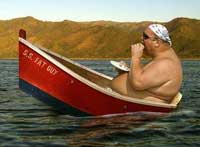
Jago è passato in redazione e non ha resistito...


HAVE STUDIED many times
The marble which was chiseled for me—
A boat with a furled sail at rest in a harbor.
In truth it pictures not my destination
But my life.
For love was offered me and I shrank from its disillusionment;
Sorrow knocked at my door, but I was afraid;
Ambition called to me, but I dreaded the chances.
Yet all the while I hungered for meaning in my life.
And now I know that we must lift the sail
And catch the winds of destiny
Wherever they drive the boat.
To put meaning in one's life may end in madness,
But life without meaning is the torture
Of restlessness and vague desire—
It is a boat longing for the sea and yet afraid.
lunedì 9 maggio 2011

LE VISIONI , William Blake


MA INSOMMA! Sul post “Le visioni!” ci ho lavorato un sacco ma non sembra interessare nessuno! Ho deciso, perciò, di riproporvelo a puntate, sperando che troviate interessante il minimo comune denominatore che lega tutti i personaggi e cioè la capacità dell’uomo DI OLTREPASSARE THE DOORS OF PERCEPTION!
William Blake (Londra, 1757 – Londra, 1827) è stato un poeta, incisore e pittore inglese.
Largamente sottovalutata mentre egli era in vita, oggi l'opera di Blake è considerata estremamente significativa e fonte di ispirazione sia nell'ambito della poesia sia delle arti visive. La sua convinzione che l'umanità possa superare i limiti a lei posti dai cinque sensi è forse il suo più grande lascito: “ If the doors of perception were cleansed, every thing would appear to man as it is, infinite. “ “ Se le porte della percezione venissero sgombrate, tutto apparirebbe all'uomo come in effetti è, infinito. “ from The Marriage of Heaven and Hell.

Nel 1788, all'età di trentun’anni, Blake iniziò a sperimentare l'incisione a rilievo, un metodo che avrebbe poi impiegato in numerosi tra i suoi libri, dipinti e opuscoli, ma anche nelle sue poesie, che includono le Profezie e il capolavoro La Bibbia. Blake usò la stampa miniata per numerose delle sue opere più note:Songs of Innocence and of Experience, The Book of Thel, The Marriage of Heaven and Hell, e Jerusalem.
Fin da giovane William Blake sostenne di avere delle visioni. La prima volta fu quando tra gli otto e i dieci anni, mentre viveva a Londra, disse di aver visto un albero pieno di angeli che "cospargevano ogni ramo di lustrini simili a stelle". Blake sostenne di aver avuto visioni per tutta la vita che, spesso, si concretizzavano in piacevoli immagini di tipo religioso

William Wordsworth ha scritto: “ There was no doubt that this poor man was mad, but there is something in the madness of this man which interests me more than the sanity of Lord Byron and Walter Scott. “ “ Non c'è dubbio che questo poveraccio fosse pazzo, ma c'è qualcosa nella sua pazzia che attira il mio interesse più dell'equilibrio di Lord Byron e Walter Scott.
William Blake (London, 1757 - London, 1827) was an English poet, painter and etcher.
His work, largely underestimated during his lifetime, is nowadays considered very meaningful and a source of inspiration for poetry and visual arts. He has let us the modern concept of imagination: “ If the doors of perception were cleansed, every thing would appear to man as it is, infinite. “ from The Marriage of Heaven and Hell.

In 1788, at the age of 31, Blake began to experiment with relief etching, a method he would use to produce most of his books, paintings, pamphlets and poems. The process is also referred to as illuminated printing.
Blake claimed to experience visions throughout his life. The first time was when, at the age between eight and ten, he claimed to have seen "a tree filled with angels, bright angelic wings bespangling every bough like stars”. His visions were often associated with beautiful religious themes and imagery, and therefore may have inspired him further with spiritual works and pursuits.
William Wordsworth has written: “ There was no doubt that this poor man was mad, but there is something in the madness of this man which interests me more than the sanity of Lord Byron and Walter Scott.

E' stata appena pubblicata in questo blog TODESFUGE di Paul Celan!

domenica 8 maggio 2011


WHEN I WAS ONE-AND-TWENTY

A.E. HOUSMAN, 1859-1936

When I was one-and-twenty

I heard a wise man say,

“Give crowns and pounds and guineas

But not your heart away;

Give pearls away and rubies

But keep your fancy free.”

But I was one-and-twenty,

No use to talk to me.

When I was one-and-twenty

I heard him say again,

“The heart out of the bosom

Was never given in vain;

‘Tis paid with sighs a plenty

And sold for endless rue.”

And I am two-and-twenty,

And oh, ‘tis true, ‘tis true.