Visualizzazione post con etichetta Billy Collins. Mostra tutti i post

martedì 24 gennaio 2012

Billy Collins, FISHING on the SUSQUEHANNA in JULY


                                  I have never been fishing on the Susquehanna...


Frederic Edwin Church, Rapids of the Susquehanna, c. 1846


Non sono stato mai a pescare sul Susquehanna
nè su nessun altro fiume per quel che importa
ad essere sinceri.

Nè in luglio nè in nessun altro mese
ho avuto mai il piacere - sempre che sia un piacere -
di pescare sul Susquehanna.

Mi piace molto di più starmene
in una stanza tranquilla come questa -
il ritratto di una donna sulla parete,

un piatto di mandarini sulla tavola -
cercando di ricreare la sensazione
di pescare sul Susquehanna.

Non c' è alcun dubbio
che altri abbiano mai pescato
sul Susquehanna

remando controcorrente in una barca di legno
infilando i remi nell' acqua
per poi rialzarli e lasciarli sgocciolare alla luce.

Ma la cosa che mi è capitata più vicina
al pescare sul Susquehanna
è stato quando un pomeriggio in un museo di Philadelfia.

ho passato un po' di tempo
davanti ad un dipinto
in cui quel fiume curva e fa un'ansa

sotto un cielo azzurro increspato di nuvole,
un bosco fitto sulle rive,
ed un tizio con una bandana rossa

seduto in una barchetta
verde a fondo piatto
tenendo ben stretta una canna da pesca

che è proprio la cosa che non
mi piace fare, ricordo
di aver detto a me stesso e alla persona vicino a me.

Allora ho sbattuto le palpebre e me ne sono andato
verso altre vedute dell' America,
di fienili , di acque spumeggianti sulle rocce,

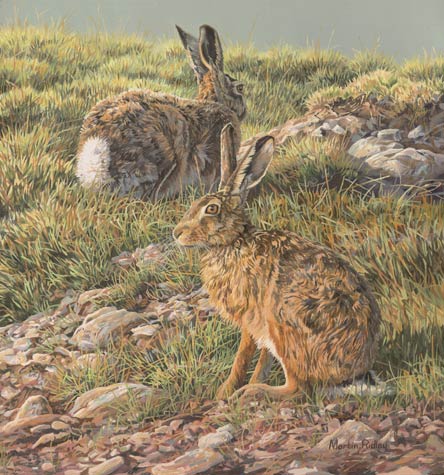
e anche di una di quelli lepri
che sembrano così timide e spaventate
da immaginare che scappasse dritta fuori dalla cornice.


Brown Hare Wildlife art painting co.uk.

giovedì 19 gennaio 2012

Introduction to Poetry by Billy Collins : The Poetry Foundation

The Poetry Foundation Introduction to Poetry by Billy Collins


tie the poem to a chair with rope...


Vi chiedo di prendere una poesia
e di guardarla contro luce
come una diapositiva

o di appoggiarvi l' orecchio come fosse
                                              un alveare

Dico di lanciare un topo in una poesia
e guardarlo cercare una via d' uscita.

o di camminare nella stanza di una poesia
e sentirsi come il muro per un interruttore elettrico

Voglio che facciate sci d' acqua
sulla superficie di una poesia
salutando il nome dell' autore sulla spiaggia .

Ma tutto quello che volete fare
è legare stretta la poesia ad una sedia
e torturarla fino a farla confessare.

Inizierete a picchiarla con un tubo
solo per capire veramente il suo significato.


I ask them to take a poem
and hold it up to the light
like a color slide

or press an ear against its hive.

I say drop a mouse into a poem
and watch him probe his way out,

or walk inside the poem’s room
and feel the walls for a light switch.

I want them to waterski
across the surface of a poem
waving at the author’s name on the shore.

But all they want to do
is tie the poem to a chair with rope
and torture a confession out of it.

They begin beating it with a hose
to find out what it really means.

martedì 10 gennaio 2012

Reading an Anthology of Chinese Poems of the Sung Dynasty, I Pause To Admire the Length and Clarity of Their Titles By Billy Collins

  Ero seduto da circa cinquanta minuti al tavolo di quella luncheonette  piccola e sporca, guardavo fisso davanti a me un bicchiere di acqua ghiacciata, cercando di ricordare quel frammento di Eraclito,  il gatto del macellaio miagolò.
Ero stanco dei versi secchi e scarni di Simic, sembravano una foresta urbana pietrificata dalla  paura, dove cani  gialli come sciacalli divoravano testa di gallo appena mozzate.
Cercavo dei versi che mi portassero via dalle strade oscure di Chicago, via dalla CNN che raccontava l' ennesimo orrore quotidiano, via dalla nebbia bruttata dai neon .


Reading an Anthology of Chinese Poems of the Sung Dynasty, I Pause To Admire the Length and Clarity of Their Titles

By Billy Collins


It seems these poets have nothing
up their ample sleeves
they turn over so many cards so early,
telling us before the first line
whether it is wet or dry,
night or day, the season the man is standing in,
even how much he has had to drink.

Maybe it is autumn and he is looking at a sparrow.
Maybe it is snowing on a town with a beautiful name.

"Viewing Peonies at the Temple of Good Fortune
on a Cloudy Afternoon" is one of Sun Tung Po's.
"Dipping Water from the River and Simmering Tea"
is another one, or just
"On a Boat, Awake at Night."

And Lu Yu takes the simple rice cake with
"In a Boat on a Summer Evening
I Heard the Cry of a Waterbird.
It Was Very Sad and Seemed To Be Saying
My Woman Is Cruel—Moved, I Wrote This Poem."

There is no iron turnstile to push against here
as with headings like "Vortex on a String,"
"The Horn of Neurosis," or whatever.
No confusingly inscribed welcome mat to puzzle over.

Instead, "I Walk Out on a Summer Morning
to the Sound of Birds and a Waterfall"
is a beaded curtain brushing over my shoulders.

And "Ten Days of Spring Rain Have Kept Me Indoors"
is a servant who shows me into the room
where a poet with a thin beard
is sitting on a mat with a jug of wine
whispering something about clouds and cold wind,
about sickness and the loss of friends.

How easy he has made it for me to enter here,
to sit down in a corner,
cross my legs like his, and listen.


Sembra che questi poeti non abbiano affatto
sollevato le ampie maniche
giocano presto così tante carte
e ci rivelano subito il primo verso,
che sia piovoso o secco, che sia
notte o giorno, e la stagione che un uomo stia dritto in piedi,
per quanto abbia dovuto bere.

Forse è autunno e lui guarda un passero.
Forse nevica su una città con un nome bellissimo.

" Guardando le Peonie al Tempio della Buona Fortuna
in un Pomeriggio Nuvoloso" è uno dei titoli di Sun Tung.
" Acqua che Viene dal Fiume e la Teiera sul Fuoco"
è un altro,o ancora
" Su di una Barca, in una Notte Insonne".

E Lu Yu che mangia una semplice torta di riso:
" In Barca in una Sera Estiva
Ascoltai il Verso del Martin Pescatore.
Era Molto Triste e Sembrava Dire
La mia Donna E' Crudele, Mi ha Lasciato, Io ho Scritto Questa Poesia".

Non ci sono qui inferriate da superare
Titoli come " Vortice su una Stringa",
"Il Corno della Nevrosi", o quel che sia.
Nessun zerbino di benvenuto scritto confusamente da interpretare.

Invece " Cammino in una Mattina Estiva
Verso il Suono degli Uccelli e della Cascata"
è una tenda adornata di perle che mi sfiora le spalle.

E " Dieci Giorni di una Primavera Piovosa Mi hanno Costretto in Casa"
è un domestico che mi mostra la stanza
dove siede un poeta con una barba rada
e sussurra qualcosa sulle nuvole  e sul vento freddo,
sulla malattia e sulla perdita degli amici.


 Come mi hanno fatto entrare  facilmente
per sedermi in un angolo,
incrociare le gambe come lui, ed ascoltare.


Le immagini sono tratte dal sito www.tuttocina.it/tuttocina

venerdì 28 maggio 2010

Mi ricollego a quanto detto da Megalexandros sul poeta che può “leggere” un quadro e vi inserisco, qui di seguito, una poesia di Billy Collins, “ispirato” da un autoritratto di Goya:


Candle Hat, Questions About Angels, 1991

In most self-portraits it is the face that dominates:
Cezanne is a pair of eyes swimming in brushstrokes,
Van Gogh stares out of a halo of swirling darkness,
Rembrandt looks relieved as if he were taking a breather
from painting The Blinding of Samson.

But in this one Goya stands well back from the mirror
and is seen posed in the clutter of his studio
addressing a canvas tilted back on a tall easel.

He appears to be smiling out at us as if he knew
we would be amused by the extraordinary hat on his head
which is fitted around the brim with candle holders,
a device that allowed him to work into the night.

You can only wonder what it would be like
to be wearing such a chandelier on your head
as if you were a walking dining room or concert hall.

But once you see this hat there is no need to read
any biography of Goya or to memorize his dates.

To understand Goya you only have to imagine him
lighting the candles one by one, then placing
the hat on his head, ready for a night of work.

Imagine him surprising his wife with his new invention,
then laughing like a birthday cake when she saw the glow.

Imagine him flickering through the rooms of his house
with all the shadows flying across the walls.

Imagine a lost traveler knocking on his door
one dark night in the hill country of Spain.
"Come in," he would say, "I was just painting myself, "
as he stood in the doorway holding up the wand of a brush
illuminated in the blaze of his famous candle hat.

***Francisco Goya, Self-Portrait, 1790-95

Candle hat

In molti autoritratti è il viso che prevale
Cezanne è un paio d’occhi che nuotano tra le pennellate,
Van Gogh ci fissa dall’alone di un vortice di buio,
Rembrandt sembra sollevato come se prendesse fiato
dopo aver dipinto Sansone accecato dai Filistei.

Ma in questo, Goya è in piedi ben lontano dallo specchio
e si vede in posa nel disordine dello studio
rivolto ad una tela inclinata sull’alto cavalletto.

Sembra che ci sorrida come se lo sapesse
che saremmo divertiti dallo straordinario cappello che ha in testa
provvisto tutto intorno di portacandele,
un trucco che gli permetteva di lavorare di notte.

Tu puoi solo immaginare che effetto farebbe
indossare un candeliere simile sulla testa
come se fossi una sala da pranzo o una sala da concerti semovente.

Ma non appena vedi quel cappello non c’è bisogno di leggere
biografie di Goya o memorizzare le sue date.

Per capire Goya devi solo immaginartelo
mentre accende le candele una ad una , poi si sistema
il cappello sulla testa, pronto per una notte di lavoro.

Immaginalo mentre sorprende la moglie con la sua nuova invenzione
e lei ride come davanti ad una torta di compleanno nel suo bagliore.

Immaginalo mentre balugina tra le stanze della casa
con le ombre che svolazzano sui muri.

Immagina un viaggiatore sperduto che bussa alla sua porta
in una notte oscura sulle colline della Spagna.
“Entri pure”, direbbe, “stavo solo facendomi il ritratto”,
fermo sulla porta mentre regge il pennello,
illuminato dal bagliore del suo famoso cappello.

Traduzione di Ipazia
Non trovate fantastici sia il quadro che la poesia?